
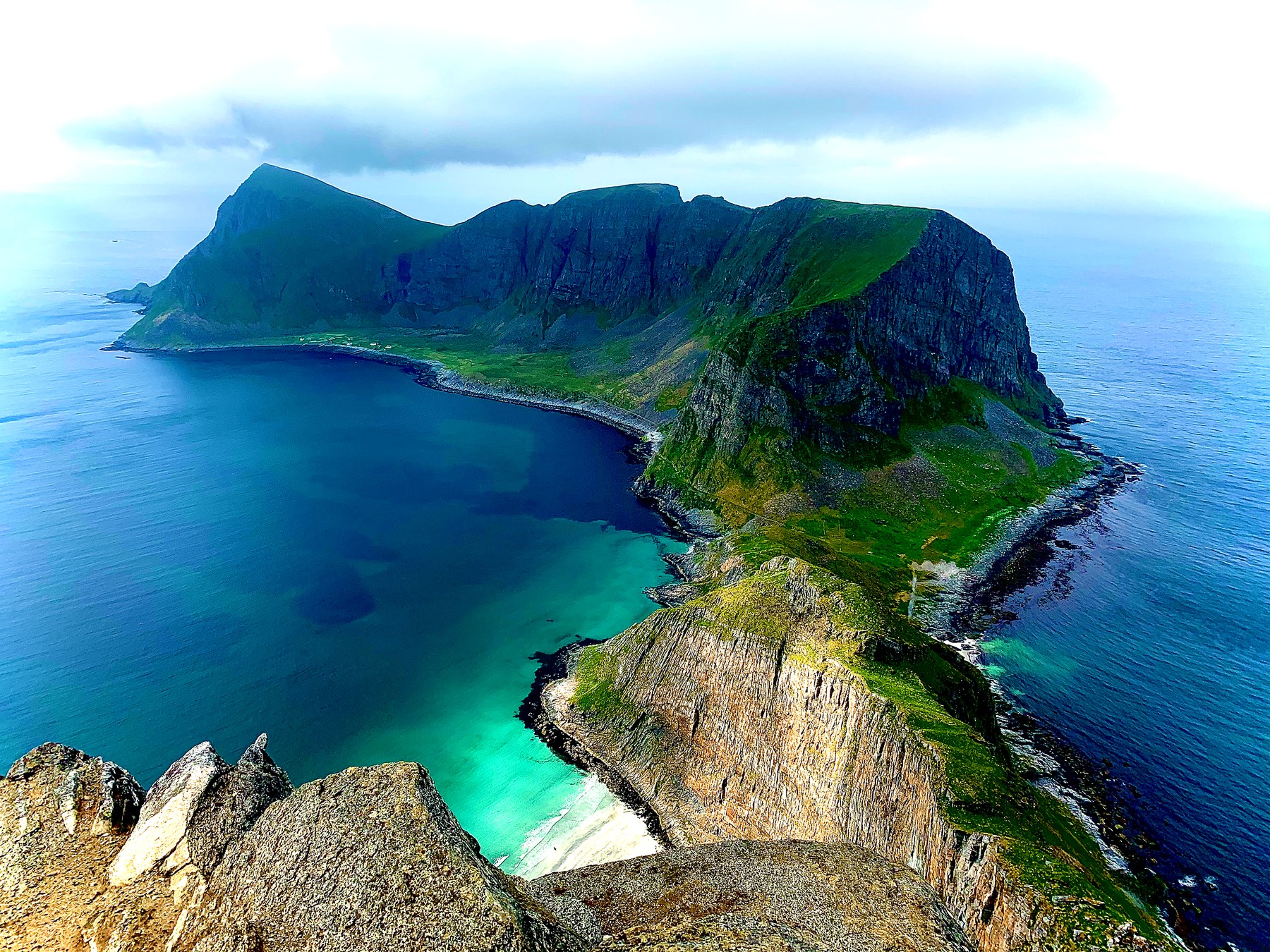
Værøy has been named one of the world's most beautiful islands, and is just over an hour's ferry ride away. Want to go even further? Røst awaits — a flat little fishing island with an atmosphere all of its own. In summer, both are entirely possible to experience in a single day, and with bikes available at the cabin it's a short ride down to the ferry quay in Moskenes.
Røst — a small community far out at sea
You can cycle across Røst in a matter of minutes, but discovering just how alive this tiny community is, out in the open sea, is an experience all its own. We joined a RIB tour from Røst Bryggehotell, a good hour-long trip where the guide served up stories from both past and present.
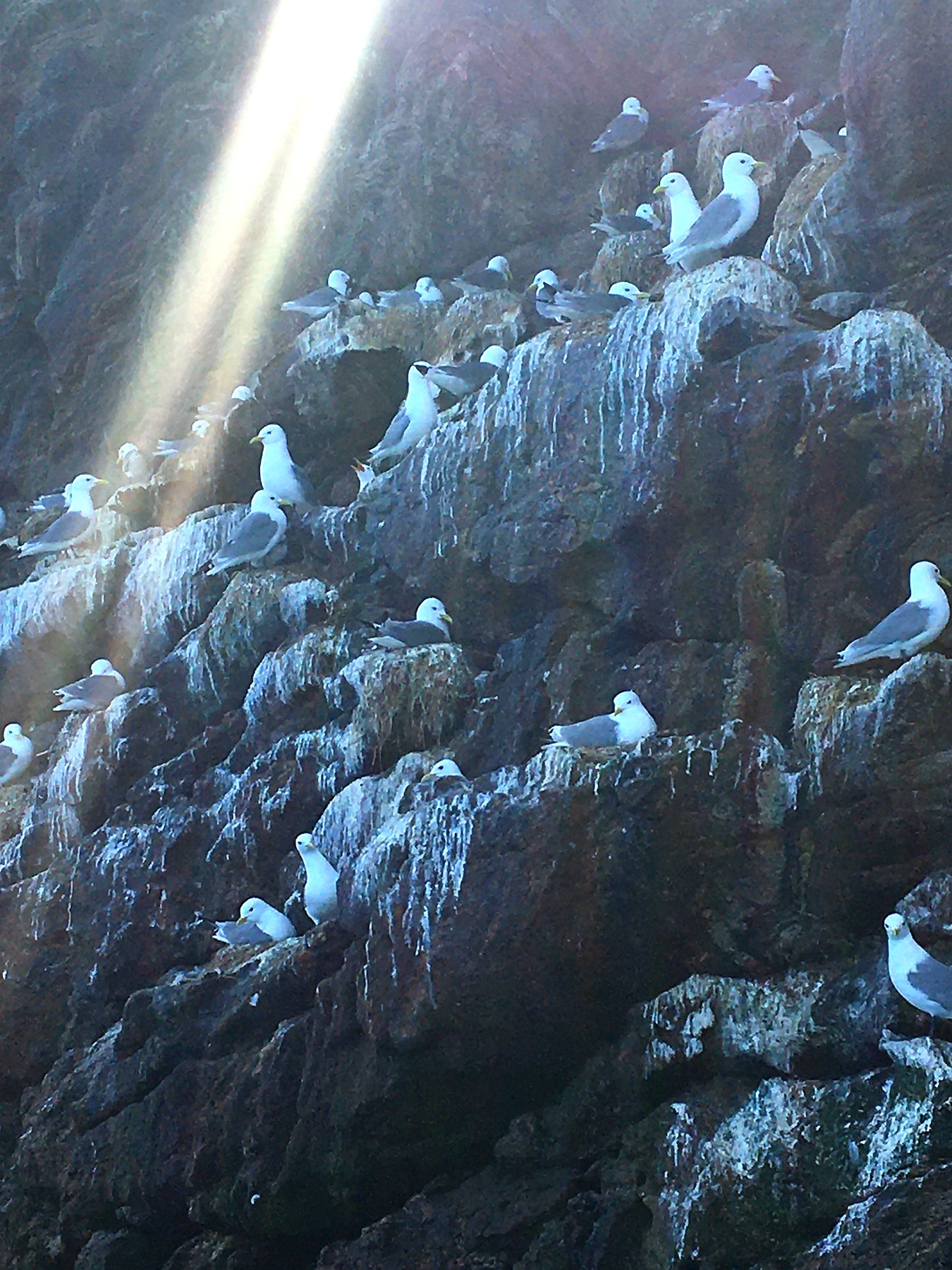
One of the stops was the research station that studies the seabird population every summer, at what was once a teeming bird cliff and is now largely quiet. The changes are clear, but there are still places where birdlife thrives in full force.
Shipwreck and a nobleman who survived
Passing Sandøya, we heard the story of Pietro Querini, a Venetian nobleman who in 1431 set out on a trading voyage from Cyprus to Flanders. The ship was wrecked, and after several months adrift at sea the crew was finally shipwrecked on Sandøya off Røst. Querini could both read and write, and left behind one of the oldest written accounts of life in Lofoten — describing how the local population cared for the shipwrecked survivors until they were strong enough to travel home. His memory still lives on, among other things through a restaurant and an annual festival on Røst.
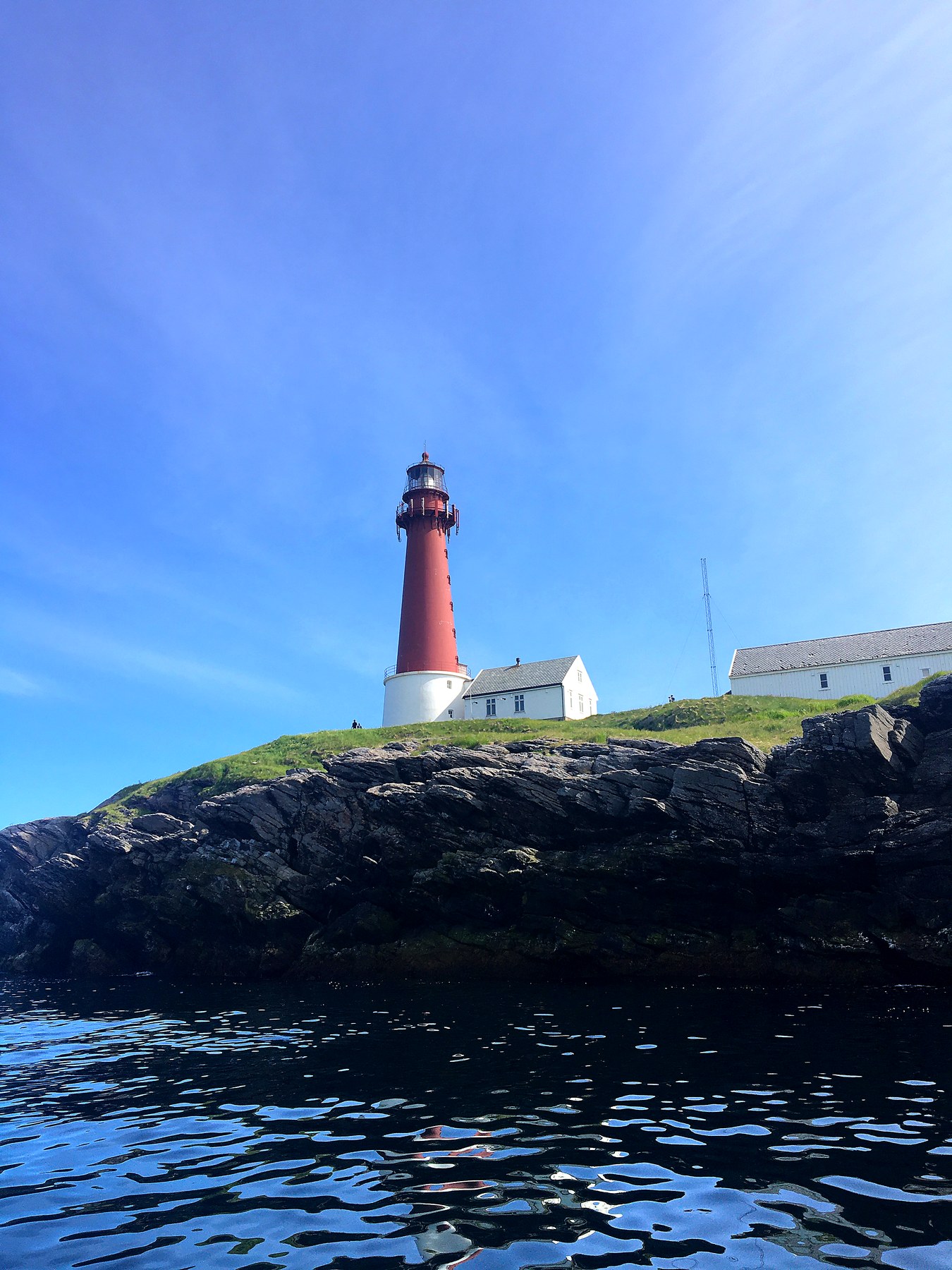
Skumvær lighthouse is also visited when the weather allows. The lighthouse stands completely exposed to the sea, and has in recent years been restored after many tough years of wind and weather.
Værøy — mountains, birds and one of Lofoten's finest views
On Værøy, the fishing industry is clearly present in the landscape, but the grand and varied nature more than makes up for it. A mountain ridge divides the island in two, offering fine hiking options on both sides.
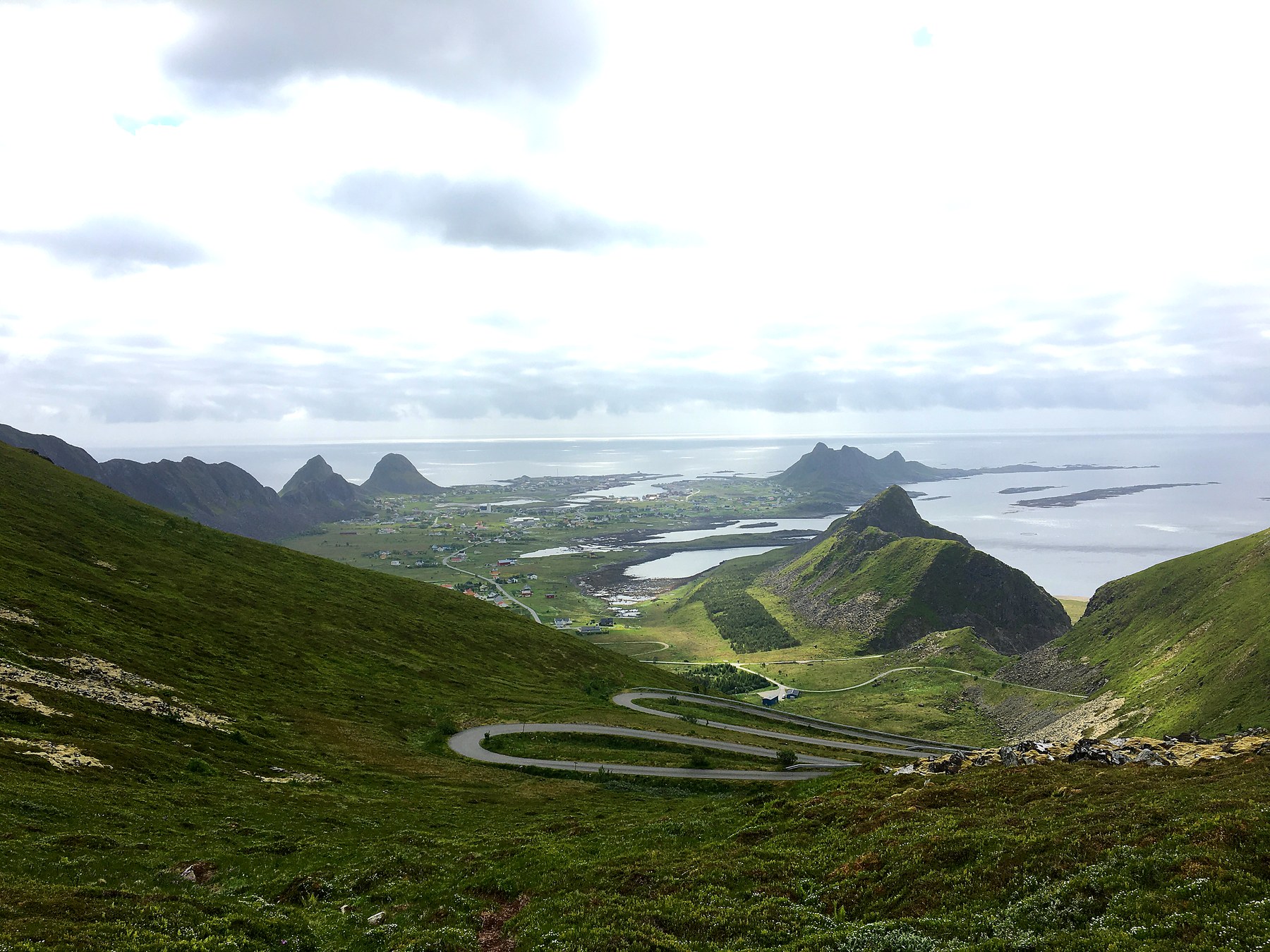
We chose the hike up to Håen, 438 metres above sea level. Part of the ascent can actually be driven or cycled on a paved road all the way up to the old radar station, but we walked the trail that climbs steeply up the hillside before levelling out along the ridge — with views both out over the sea to the north and down towards the settlement on the island's south side.
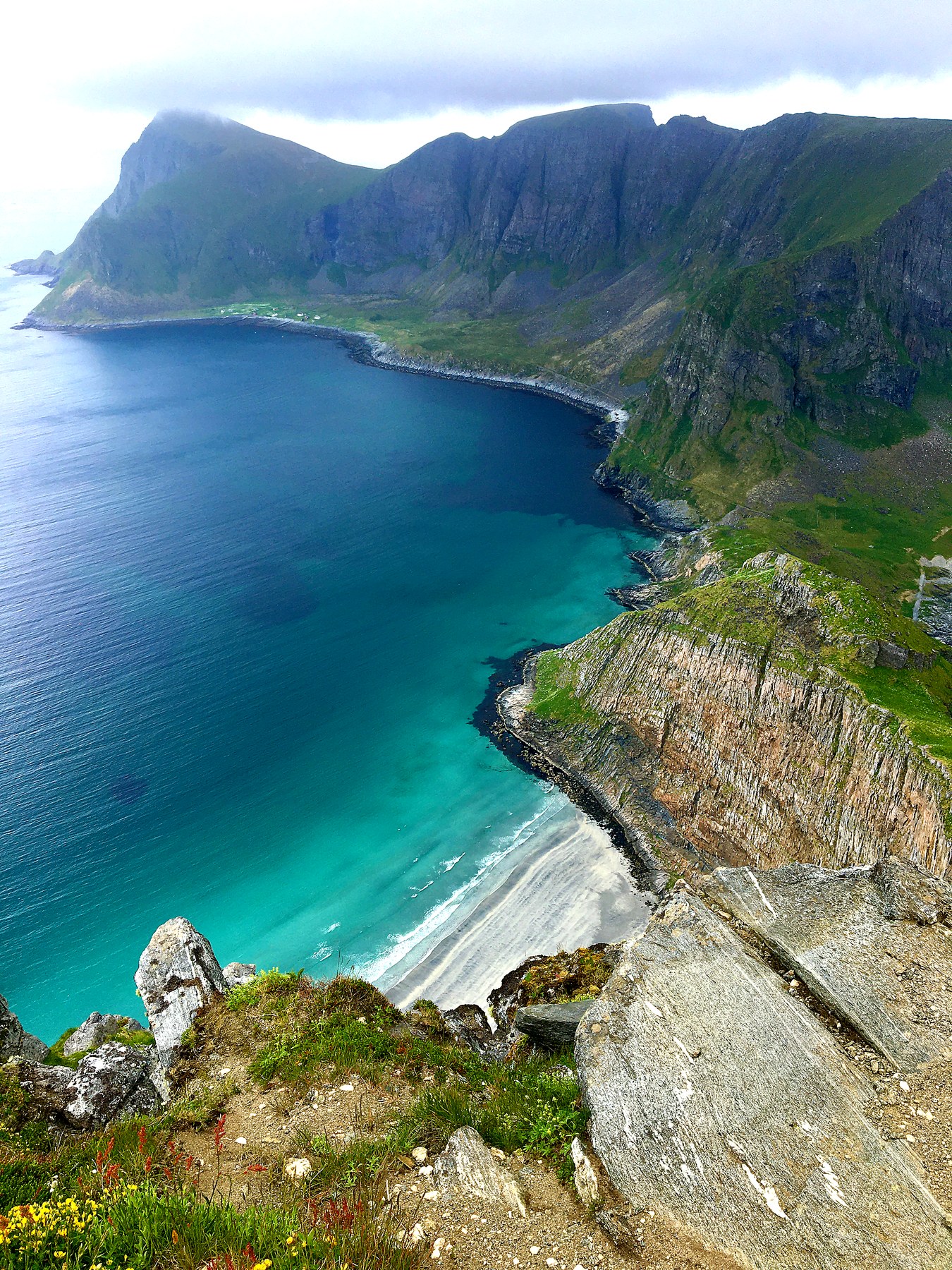
As you finally round the buildings at the top of the radar station, the view opens up in full: an almost dizzying drop down to the beach, and a play of colour in the sea we could hardly believe was real.
Sørlandshagen — stones that tell time
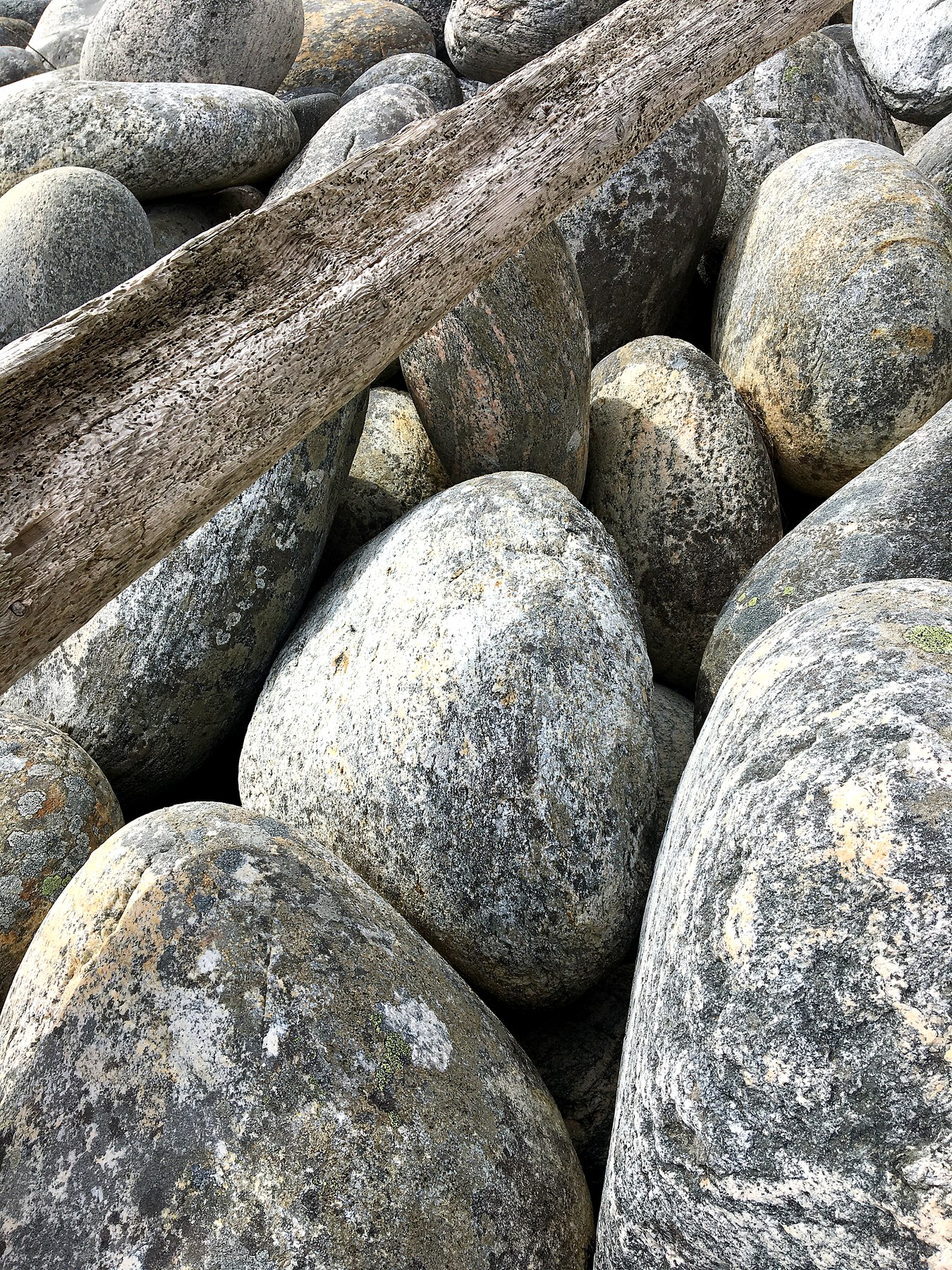
On the way down we took a detour to Sørlandshagen, a rounded-stone beach well worth seeking out. The stones here have been worn smooth over thousands of years, and it's almost meditative to walk among them and feel the smooth, sun-warmed surfaces.
A day trip to Værøy or Røst is a completely different experience from the rest of Lofoten — weather-beaten islands with a calm all their own, rich birdlife, dramatic history, and nature that makes the trip more than worthwhile. From the cabin, getting all the way out here is easier than you'd think.